
Role of B2B Listing in Food and Beverage Business
Discover how B2B listings help food and beverage businesses improve online visibility, showcase products, connect with suppliers and distributors, and generate business enquiries through MyDigiSence.
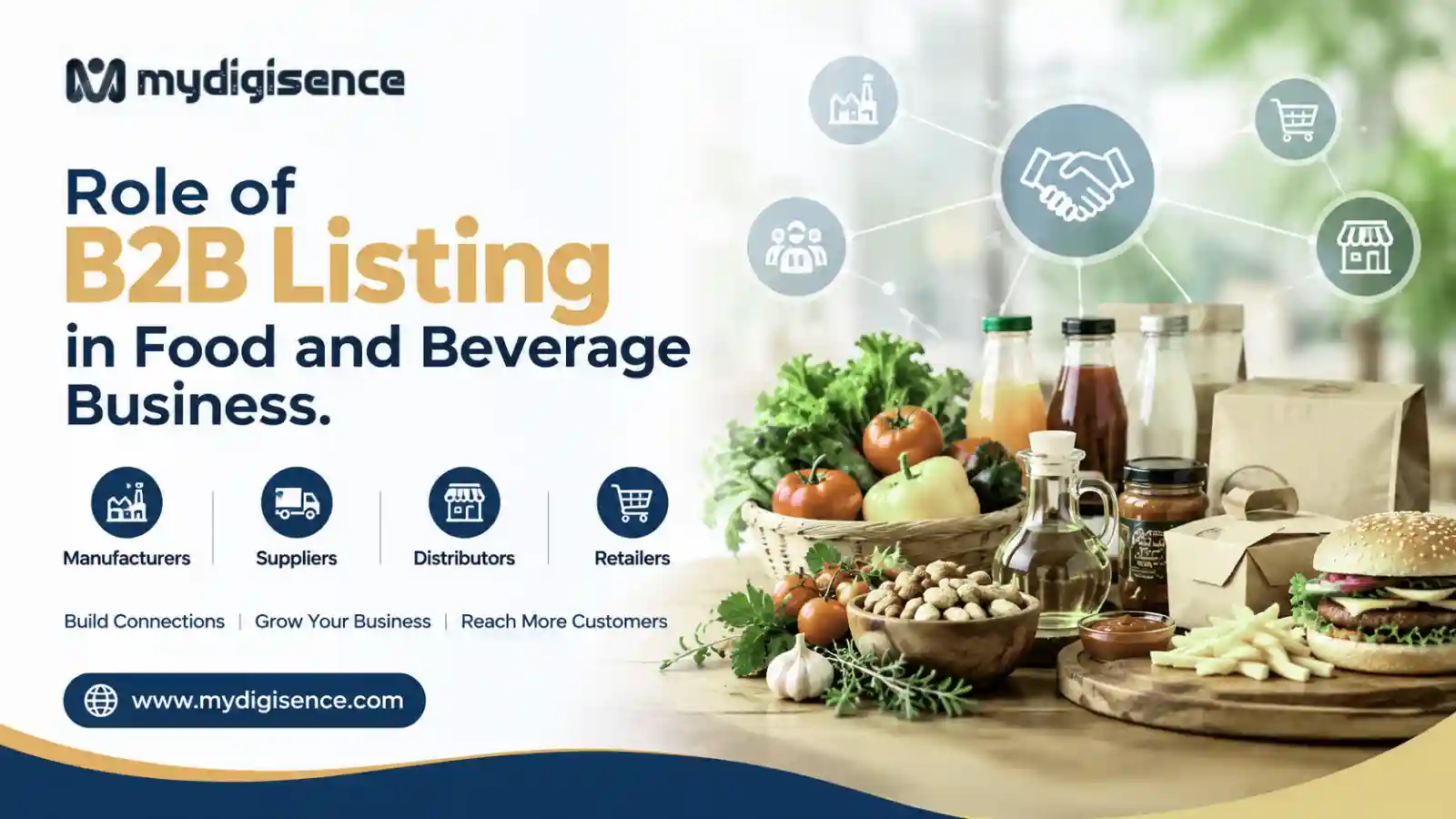
The food and beverage business depends on a large network of manufacturers, food processors, suppliers, wholesalers, distributors, exporters, retailers, restaurants, hotels, caterers, and service providers. For these businesses, being visible to the right buyers and partners is an important part of growth.
A B2B listing gives a food and beverage business a structured digital presence where it can present its company information, products, services, location, capabilities, and relevant credentials. Instead of relying only on offline referrals, trade exhibitions, distributors, or direct sales, businesses gain another channel through which potential buyers and partners can discover them.
For a platform such as MyDigiSence, the role of a B2B listing goes beyond displaying a company name and phone number. It can help connect business discovery with product visibility, professional profiles, inquiries, and B2B networking.
Explore Food & Beverage Businesses Verified food & beverage businesses on MyDigiSence
What Is the Role of B2B Listing in a Food and Beverage Business?
The role of a B2B listing in a food and beverage business is to make the company easier for potential buyers, suppliers, distributors, retailers, restaurants, and other business partners to discover and evaluate online. A detailed listing can showcase food products, beverages, ingredients, business capabilities, location, certifications, contact information, and services while creating opportunities for B2B inquiries and partnerships.
For food manufacturers, wholesalers, distributors, exporters, restaurants, and other F&B companies, this creates a digital connection between what the business supplies and who may need it.
Why Is B2B Listing Important for the Food and Beverage Industry?
The food and beverage supply chain has multiple stages.
A farmer or producer may supply raw materials to a food processor. A manufacturer may sell packaged foods through distributors. A beverage producer may need wholesalers and retailers. Hotels and restaurants may require reliable ingredient suppliers.
Therefore, business discovery is not limited to a simple seller-to-consumer relationship.
A B2B listing can connect entities such as:
Producer → Manufacturer → Supplier → Wholesaler → Distributor → Retailer/HORECA → Customer
Modern food procurement also involves factors such as supplier credentials, product specifications, quality standards, traceability and, for some products, cold-chain requirements. Current food-sector B2B platforms increasingly expose this information during supplier discovery.
1. Improves Online Visibility for Food and Beverage Businesses
A business cannot attract an online buyer who cannot find it.
Creating a B2B listing gives manufacturers, suppliers, restaurants, food brands and beverage companies an additional searchable digital presence.
A listing can explain:
Business name and location
Food or beverage categories
Products and services
Manufacturer or supplier type
Contact information
Business capabilities
Images and product information
Relevant certifications or credentials
This can help potential business customers understand what the company actually offers before making contact.
You May Visit Also: Business Listing Platform for Healthcare
2. Helps Buyers Discover Food Manufacturers and Suppliers
Supplier discovery is one of the most important functions of B2B platforms in the food sector.
A restaurant may need a dairy supplier. A retailer may be searching for packaged snack brands. A food processor may need ingredients in bulk, while an exporter may be searching for manufacturers capable of meeting particular requirements.
Current B2B food marketplaces commonly organize discovery around product categories, suppliers, manufacturers, wholesalers and exporters.
A structured listing therefore helps connect buyer intent with supplier capability.
3. Showcases Food Products and Beverage Categories
A company profile alone may not tell a buyer enough.
Food and beverage businesses should also clearly present what they sell.
Relevant categories can include:
Fruits and vegetables
Grains and pulses
Spices and masala
Dairy products
Bakery products
Snacks and namkeen
Packaged foods
Frozen foods
Tea and coffee
Juices and soft drinks
Food ingredients
Edible oils
Sauces, pickles and condiments
Detailed product listings make a business easier to understand and can help buyers determine whether the supplier fits their sourcing requirements.
4. Supports B2B Lead Generation and Inquiries
Visibility becomes commercially useful when interested buyers can take the next step.
A typical B2B discovery journey may look like:
Buyer searches → finds a business → reviews its profile/products → evaluates suitability → sends an inquiry → discusses requirements
This is particularly relevant for wholesale and recurring procurement, where a buyer may need information about quantities, availability, pricing, delivery, samples or specifications before proceeding.
B2B food platforms increasingly combine supplier profiles with inquiry, RFQ and direct-contact mechanisms for this reason.
5. Helps Build Trust Between Buyers and Suppliers
Trust has particular importance in the food and beverage business because the products ultimately affect consumers.
A buyer may want to understand a supplier's identity, capabilities, certifications, quality processes and supply reliability.
Where relevant, businesses should accurately present information such as:
FSSAI licence details
Food safety or quality certifications
GST/business information
Product specifications
Manufacturing capabilities
Packaging capabilities
Production capacity
Service locations
Export experience
For some procurement scenarios, buyers may also evaluate laboratory reports, batch traceability and cold-chain capabilities.
A B2B listing does not replace independent supplier due diligence, but a complete profile can make initial evaluation easier.
6. Supports Wholesale and Bulk Business Opportunities
B2B food transactions are often different from ordinary consumer purchases.
A wholesaler may need hundreds of units. A hotel chain might need recurring ingredient deliveries. A retailer could be looking for packaged products to stock across multiple outlets.
Relevant information can include minimum order quantity (MOQ), production capacity, packaging options and wholesale availability.
Industry-specific food marketplaces already use criteria such as product category, origin, production capacity, MOQ and certifications to help businesses evaluate potential suppliers.
7. Connects Manufacturers, Wholesalers and Distributors
A food manufacturer may have a strong product but limited distribution.
A distributor may have market access but need new brands.
A retailer may need dependable wholesale suppliers.
B2B listings make these complementary business roles easier to discover. This means a listing can support not only sales leads but also distribution partnerships, sourcing relationships and supplier networks.
8. Helps Restaurants, Hotels and Caterers Find Suppliers
The food and beverage ecosystem also includes HORECA — hotels, restaurants and catering businesses.
These businesses regularly source ingredients, packaged foods, beverages and specialty products.
Specialized food platforms increasingly address HORECA sourcing directly, including supplier discovery and compliance considerations.
A broader marketplace ecosystem can similarly help foodservice businesses identify potential suppliers while giving suppliers another way to reach commercial buyers.
9. Supports Exporters and Importers
For export-oriented food businesses, online profiles can communicate information before an international buyer initiates a conversation.
Exporters may need to highlight product origin, certifications, production capability, packaging and export experience.
Importers, meanwhile, need ways to identify and compare prospective suppliers.
This is why supplier verification, certification visibility, origin and export readiness feature prominently in international food B2B discovery systems.
10. Makes Business Information Available Beyond Working Hours
An offline sales team has working hours. A digital listing does not.
Potential buyers can review a business profile, products and available information whenever they are researching suppliers.
That does not mean a listing automatically generates sales. Businesses still need accurate information, competitive offerings and timely responses.
But it provides a persistent digital discovery point that can complement websites, social media, sales teams, exhibitions and offline networking.
Why Verification Matters in Food and Beverage B2B Listings
Verification deserves special attention in this industry.
There is an important difference between identity verification and product/compliance verification.
A verified business identity does not automatically mean every product, certification, manufacturing process or food-safety claim has been independently validated.
For this reason, MyDigiSence should communicate exactly what its verification badge represents. Buyers should still perform appropriate checks before entering significant commercial transactions.
That distinction can make the content more trustworthy than simply using “verified” as a broad marketing claim.
Role of Certifications, Traceability and Compliance
This is an area many generic articles about B2B listings overlook.
For food businesses, discovery is only the beginning. Depending on the product and transaction, procurement teams may need food-safety documentation, certification details, traceability records, laboratory information, or temperature/cold-chain controls.
Current industry platforms increasingly treat structured supplier and traceability data as part of B2B supplier management.
A business listing should therefore make it easy to communicate relevant credentials accurately rather than relying only on promotional descriptions.
How MyDigiSence Supports Food and Beverage Businesses
MyDigiSence brings businesses, professionals, products and services together through a digital business ecosystem.
Food and beverage businesses can use their presence to showcase relevant information, improve discoverability and create another path for potential customers or business partners to reach them.
Depending on the type of business, this can be useful for:
Food manufacturers
Beverage manufacturers
Restaurants and cloud kitchens
Cafés and bakeries
Wholesalers
Distributors
Food suppliers
Exporters
Caterers
Packaged-food businesses
Ingredient suppliers
Food-related professionals and service providers
The goal should not be merely to “get listed.” Businesses should create complete profiles that clearly communicate who they are, what they supply, where they operate, and how an interested buyer can contact them.
Explore the marketplace of MyDigiSence Food & Beverage by Verified Professionals
How to Optimize a Food and Beverage B2B Listing
For stronger visibility and better buyer understanding, businesses should complete the listing carefully.
Use the correct food or beverage category. Add clear product and service descriptions. Include genuine images. Specify your business location and service areas. Keep contact details current.
Manufacturers and suppliers should also consider adding relevant details such as wholesale capability, product range, packaging, production capacity and applicable certifications where the platform supports them.
Avoid keyword stuffing such as repeating “food and beverage business” unnaturally throughout every description. Search engines and users benefit more from specific entities such as food manufacturer, beverage supplier, restaurant, wholesaler, distributor, bakery, ingredient supplier, city and product category.
B2B Listing vs Traditional Business Directory for F&B
A traditional directory primarily helps users find basic business information.
A more developed B2B marketplace can support a broader commercial journey:
Business discovery → product/service evaluation → trust signals → inquiry → business relationship
For food and beverage companies, that distinction matters because buyers often need to evaluate both the company and the products it can supply.
Conclusion
The role of B2B listing in food and beverage business extends well beyond putting a company name into an online directory.
A well-developed listing can help manufacturers, suppliers, wholesalers, distributors, exporters, restaurants and other F&B businesses become discoverable, present their products, communicate trust signals, receive inquiries and build new commercial relationships.
For MyDigiSence, the strongest opportunity is to connect business listings with the wider food and beverage marketplace ecosystem—helping users move naturally from discovery to evaluation to contact.
For food and beverage businesses competing in an increasingly digital market, a complete B2B profile can become a valuable part of a broader online visibility, networking and lead-generation strategy.
Frequently Asked Questions
What is a B2B listing in the food and beverage business?
A B2B listing is an online business profile that presents a food or beverage company's information, products, services and capabilities to potential business buyers and partners.
Why should a food business create a B2B listing?
It can improve digital visibility, make products easier to discover, support inquiries, communicate business capabilities and create opportunities to connect with buyers, suppliers or distributors.
Who can use B2B listings in the food and beverage industry?
Manufacturers, suppliers, wholesalers, distributors, exporters, importers, food processors, restaurants, hotels, caterers, retailers, farms and related service providers can potentially benefit.
Can B2B listings help food manufacturers find distributors?
Yes. A detailed online profile can make a manufacturer discoverable to distributors and other potential business partners, although a listing does not guarantee a partnership.
What information should a food supplier add to its listing?
Useful information includes business details, product categories, location, contact information, product specifications, wholesale capabilities and applicable certifications or credentials.
Does a verified listing mean a food supplier is fully certified?
Not necessarily. Verification systems differ by platform. Buyers should understand what has actually been verified and independently check relevant licences, certifications and product requirements before transacting.
Visit Also: Contact Relationship Management Software for Businesses
Our Social Account:
Written by
Shivam Thakur
Oct 16, 2026
More from the blog
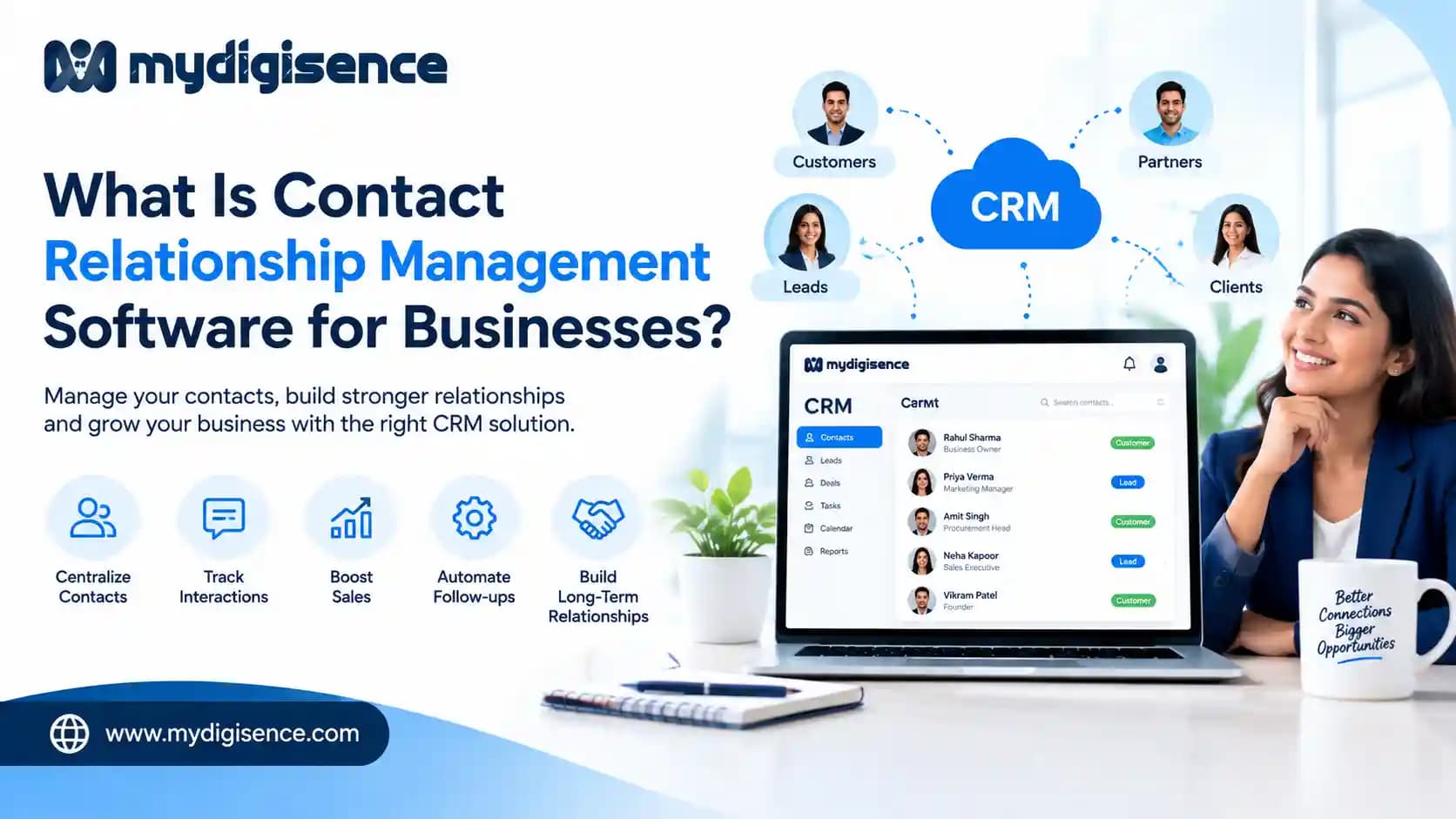
What Is Contact Relationship Management Software for Businesses?
Understand contact relationship management software, its features, benefits, and role in B2B lead management. Learn how it differs from CRM and helps businesses organize customer relationships.
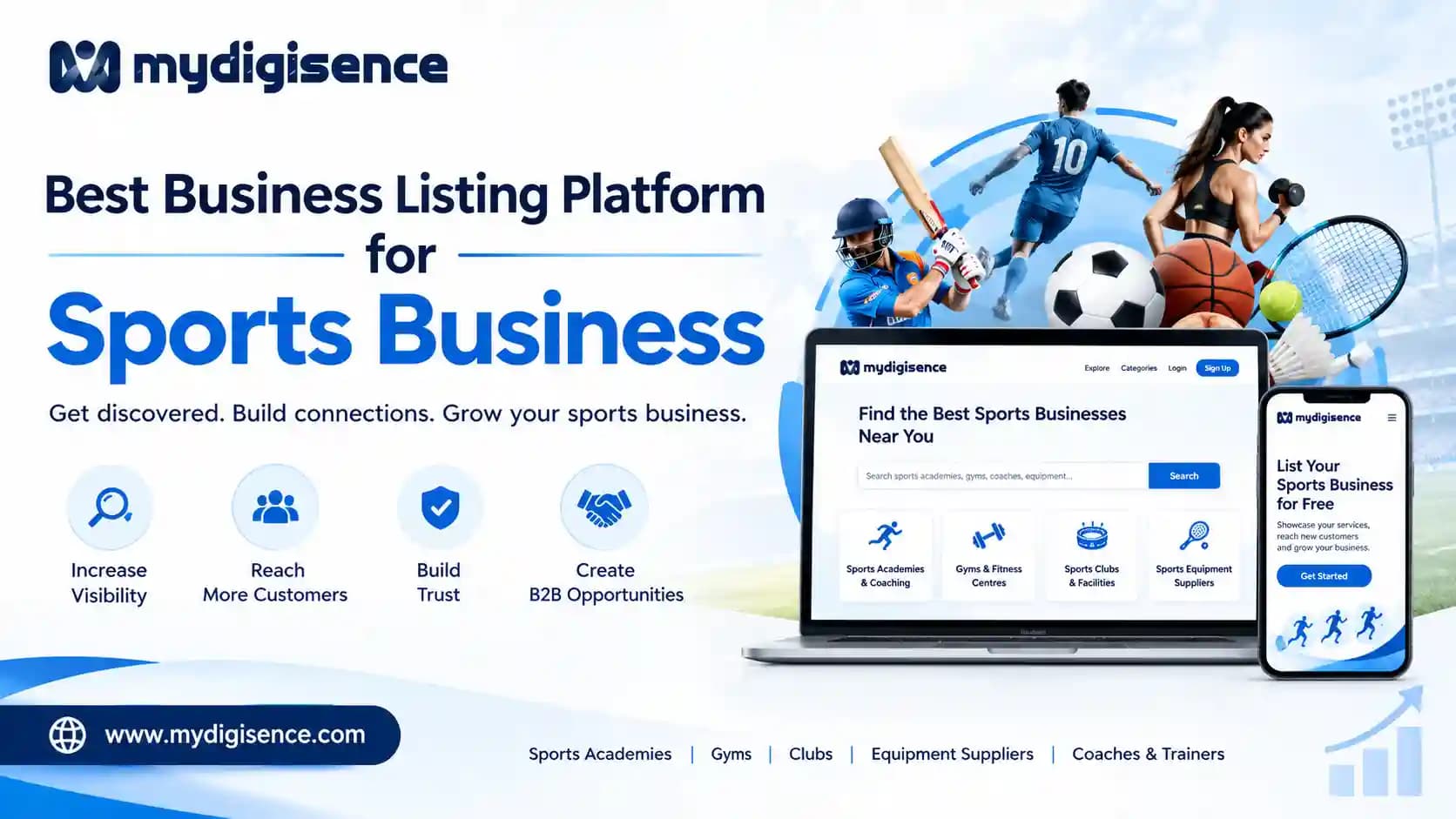
Best Business Listing Platform for Sports Business
Discover why MyDigiSence is a useful business listing platform for sports academies, gyms, sports clubs, fitness trainers, and equipment suppliers looking to improve visibility and attract customers online.