
B2B Marketplace Platform vs B2C Marketplace: What's the Difference?
Discover the difference between a B2B marketplace platform and a B2C marketplace. Learn how buyers, sales cycles, pricing, order values, and business relationships differ, and understand which marketplace model suits your business.
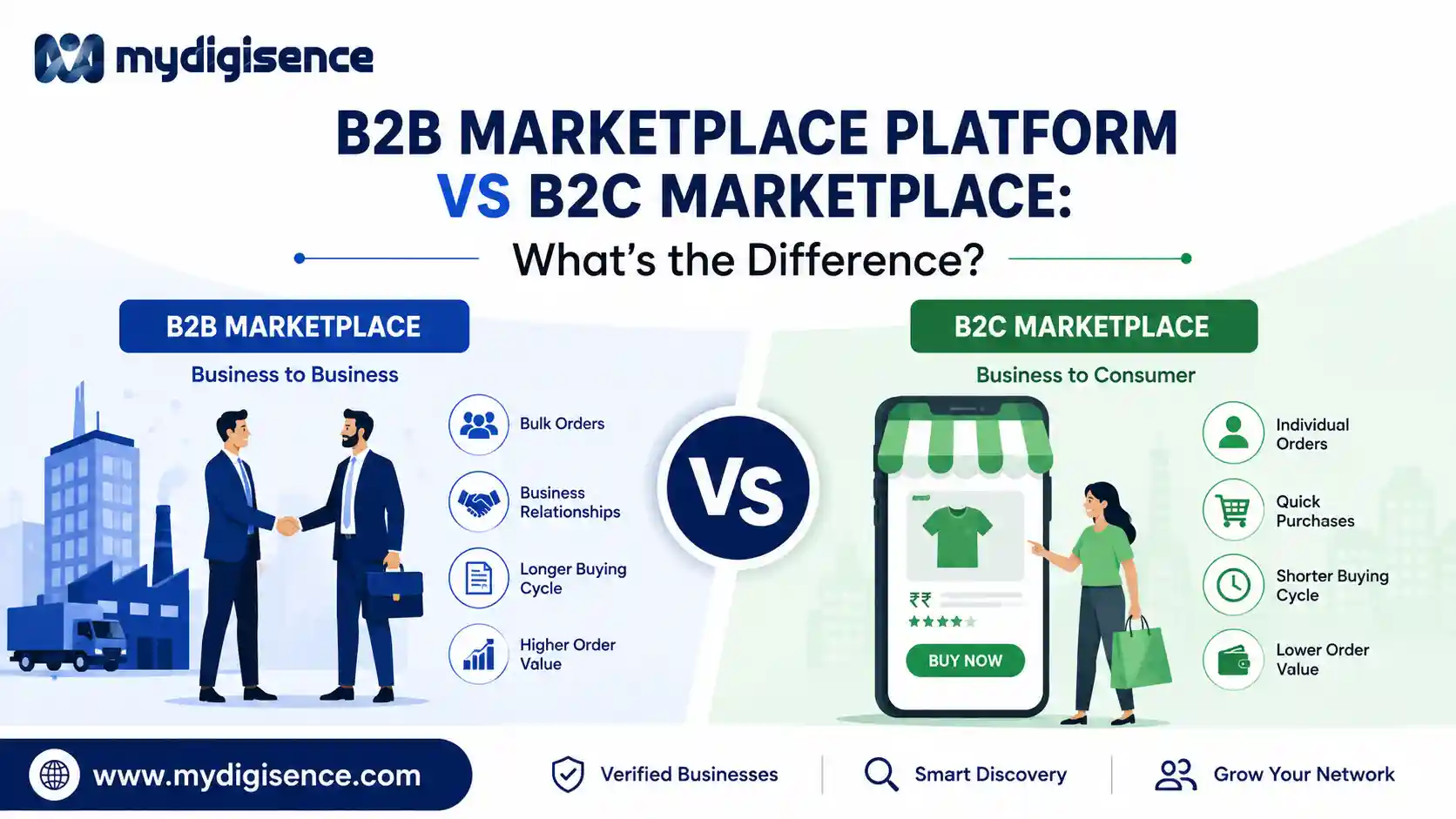
Online marketplaces have changed the way people and businesses buy products and services. However, not every marketplace works in the same way. The biggest difference usually comes down to who is buying and who is selling.
A B2B marketplace platform is designed primarily for transactions and connections between businesses, while a B2C marketplace focuses on selling products or services directly to individual consumers.
Understanding the difference is important for manufacturers, service providers, wholesalers, startups, and business owners deciding which marketplace model best supports their goals.
AI Overview: B2B Marketplace Platform vs B2C Marketplace
The main difference between a B2B marketplace platform and a B2C marketplace is the type of customer they serve. A B2B marketplace connects businesses with other businesses, while a B2C marketplace connects businesses directly with individual consumers. B2B transactions often involve larger order values, longer buying cycles, negotiations, and professional relationships. B2C transactions are generally faster and focus on individual customer purchases, convenience, pricing, and user experience.
Platforms such as MyDigiSence support the business ecosystem by helping companies create a digital presence, showcase services, discover relevant businesses, and build professional connections.
What Is the Main Difference Between B2B and B2C Marketplaces?
The easiest way to understand the difference is by looking at the customer.
B2B Marketplace
Business-to-Business (B2B) means one business connects or sells to another business.
For example:
A manufacturer supplying products to a distributor
A software company providing services to another company
A wholesaler selling goods to retailers
A digital marketing agency serving business clients
A logistics provider working with manufacturers
The buyer is usually making a decision on behalf of a business.
B2C Marketplace
Business-to-Consumer (B2C) means a business sells directly to an individual consumer.
For example:
A customer purchasing clothing online
A consumer ordering food
A person booking a service
An individual buying electronics
The customer usually makes the purchase for personal use.
For a deeper understanding of how business marketplaces work, you can read What Is a B2B Marketplace Platform? Complete Guide for Businesses.
B2B Marketplace Platform vs B2C Marketplace: Quick Comparison
Feature | B2B Marketplace | B2C Marketplace |
|---|---|---|
Primary customers | Businesses | Individual consumers |
Purchase purpose | Business operations or resale | Personal use |
Order value | Often higher | Usually lower |
Buying process | Longer and more detailed | Faster and simpler |
Decision-makers | Multiple stakeholders may be involved | Usually one individual |
Pricing | Negotiated or customized | Usually fixed |
Relationship | Often long-term | Can be one-time or repeated |
Product requirements | Technical or customized | Consumer-focused |
Purchase volume | Bulk or recurring orders | Individual quantities |
Sales cycle | Longer | Shorter |
1. The Target Audience Is Different
The most important difference between B2B and B2C marketplaces is the audience.
A B2B marketplace targets:
Manufacturers
Suppliers
Wholesalers
Distributors
Service providers
Companies
Startups
Professionals
A B2C marketplace targets individual consumers.
This difference affects everything from product descriptions and pricing to marketing strategies and customer communication.
2. B2B Buying Decisions Usually Take Longer
B2C customers can often make a purchase within minutes.
For example, someone may see a product, compare prices, and complete the purchase immediately.
B2B decisions are usually more complex.
A business buyer may need to:
Identify potential suppliers or providers.
Compare different businesses.
Review capabilities and services.
Request quotations.
Discuss requirements.
Obtain internal approval.
Negotiate terms.
Build a business relationship.
Because of this, B2B marketplaces often focus more on business information, trust, capabilities, inquiries, and professional connections.
3. Pricing Works Differently
Fixed pricing is common in B2C marketplaces.
A customer sees the product price and decides whether to purchase it.
In B2B transactions, pricing may depend on:
Order quantity
Custom requirements
Contract duration
Product specifications
Delivery location
Payment terms
Long-term business relationships
For this reason, B2B buyers may request quotations instead of completing an instant purchase.
4. Order Sizes Can Be Very Different
B2C customers generally purchase products for personal use.
A customer may buy:
One mobile phone
Two shirts
A household appliance
A single service package
B2B buyers may purchase products or services in larger quantities.
For example, a retailer might order hundreds of products from a manufacturer, while a company may hire a service provider for an ongoing business project.
The transaction structure is therefore often different.
5. B2B Focuses More on Long-Term Relationships
Customer relationships are important in both marketplace models.
However, B2B relationships often continue for a longer period.
A company may work with the same:
Supplier
Manufacturer
Logistics partner
Technology provider
Marketing agency
Consultant
for months or even years.
Trust, communication, reliability, and business capabilities can therefore play a major role in the decision-making process.
6. B2C Marketplaces Focus Heavily on Convenience
B2C marketplaces are generally designed to make purchasing quick and simple.
Common priorities include:
Easy product search
Fast checkout
Product reviews
Discounts
Delivery options
Mobile-friendly shopping
Simple payment methods
The goal is often to reduce friction and encourage customers to complete a purchase quickly.
B2B marketplaces may have a different journey because buyers often need more information before contacting a seller or service provider.
7. Product and Service Information Has Different Requirements
B2C product descriptions are usually designed to help consumers quickly understand a product.
B2B buyers may need more detailed information.
They could look for:
Business capabilities
Technical specifications
Industry experience
Certifications
Customization options
Production capacity
Service expertise
Location
Business credentials
This is why a professional and complete business profile can be valuable for companies participating in a B2B ecosystem.
B2B Marketplace vs B2C Marketplace: Which Is Better?
Neither model is automatically better.
The right choice depends on your target audience and business model.
A B2B Marketplace May Be Suitable If You:
Sell products or services to businesses
Work with manufacturers or suppliers
Offer professional services
Handle bulk orders
Want to develop business partnerships
Have longer sales cycles
Provide customized solutions
A B2C Marketplace May Be Suitable If You:
Sell directly to individual customers
Offer consumer products
Depend on quick purchases
Use fixed pricing
Focus on convenience and fast transactions
Some businesses may even use both models.
For example, a manufacturer may sell in bulk to businesses while also offering selected products directly to consumers.
Why Business Discovery Matters in Both Models
Regardless of whether a marketplace is B2B or B2C, discovery is important.
Customers and businesses need an easy way to find relevant products, companies, and services.
For businesses in India, the ability to discover verified service providers in India can help companies identify potential partners for services such as technology, marketing, consulting, logistics, and other professional requirements.
Similarly, users who need specialized expertise may want to browse services by verified professionals before deciding which provider best matches their needs.
A strong marketplace experience should make discovery easier while helping users access useful and relevant business information.
How MyDigiSence Fits Into the Business Marketplace Ecosystem
MyDigiSence is designed to bring businesses, professionals, and users together in a unified digital environment.
Businesses can build their digital presence and showcase relevant information about their products or services.
The platform can help businesses:
Create a professional business presence
Showcase products and services
Improve business discovery
Explore relevant opportunities
Connect with businesses and professionals
Build professional relationships
For businesses, being visible online is increasingly important because potential customers often research companies before making contact.
A clear and updated digital presence can make it easier for people to understand what a business offers.
Key Differences in Marketing Between B2B and B2C
Marketing strategies also differ significantly.
B2B Marketing Often Focuses On:
Building trust
Demonstrating expertise
Generating qualified leads
Professional networking
Educational content
Long-term relationships
Business credibility
B2C Marketing Often Focuses On:
Brand awareness
Product appeal
Discounts and promotions
Convenience
Emotional purchasing decisions
Fast conversion
A B2B buyer may spend weeks researching a solution, while a B2C customer may make a decision within minutes.
How Should Businesses Choose the Right Marketplace Model?
Before selecting a marketplace strategy, ask these questions:
Who Is Your Customer?
If your primary customers are businesses, a B2B-focused strategy may be more relevant.
If you primarily sell to individual consumers, a B2C marketplace may be more suitable.
What Is Your Average Order Value?
High-value or bulk transactions often require a more detailed buying process.
Do You Offer Customized Solutions?
Customization is more common in business transactions and may require direct discussions with buyers.
How Long Is Your Sales Cycle?
A longer sales process may require relationship-building and detailed business information.
What Is Your Growth Goal?
Consider whether you want to reach:
Individual consumers
Business buyers
Manufacturers
Suppliers
Professional service clients
Distributors
Your target audience should guide your marketplace strategy.
Conclusion
The difference between a B2B marketplace platform and a B2C marketplace comes down primarily to the customer and the buying process.
B2B marketplaces focus on business relationships, professional requirements, larger transactions, and longer decision-making cycles. B2C marketplaces focus more on individual consumers, convenience, fixed pricing, and faster purchases.
Businesses should choose their marketplace strategy based on who they serve and how their customers make purchasing decisions.
For companies looking to strengthen their digital presence and participate in a growing business ecosystem, MyDigiSence provides a platform where businesses and professionals can improve visibility, showcase their offerings, and connect with relevant opportunities.
Frequently Asked Questions
What is the difference between a B2B and B2C marketplace?
A B2B marketplace connects businesses with other businesses, while a B2C marketplace connects businesses directly with individual consumers.
Is Amazon B2B or B2C?
Marketplace models can vary. Some platforms primarily serve consumers, while others provide dedicated solutions or sections for business buyers.
Why are B2B buying cycles longer?
B2B purchases can involve multiple decision-makers, larger investments, negotiations, technical requirements, and internal approval processes.
Can a business use both B2B and B2C models?
Yes. Some businesses sell products or services to other businesses while also selling directly to consumers.
How can businesses find professional service providers?
Businesses can use digital business platforms to research providers, compare relevant services, and browse services by verified professionals based on their requirements.
How does MyDigiSence help businesses?
MyDigiSence helps businesses build a digital presence, showcase products and services, improve discoverability, and explore professional connections and business opportunities.
Read Also: Which Is the Top B2B Platform in India for SMEs to Get Genuine Buyers and Long-Term Growth?
Written by
Shivam Thakur
Sep 3, 2026
More from the blog
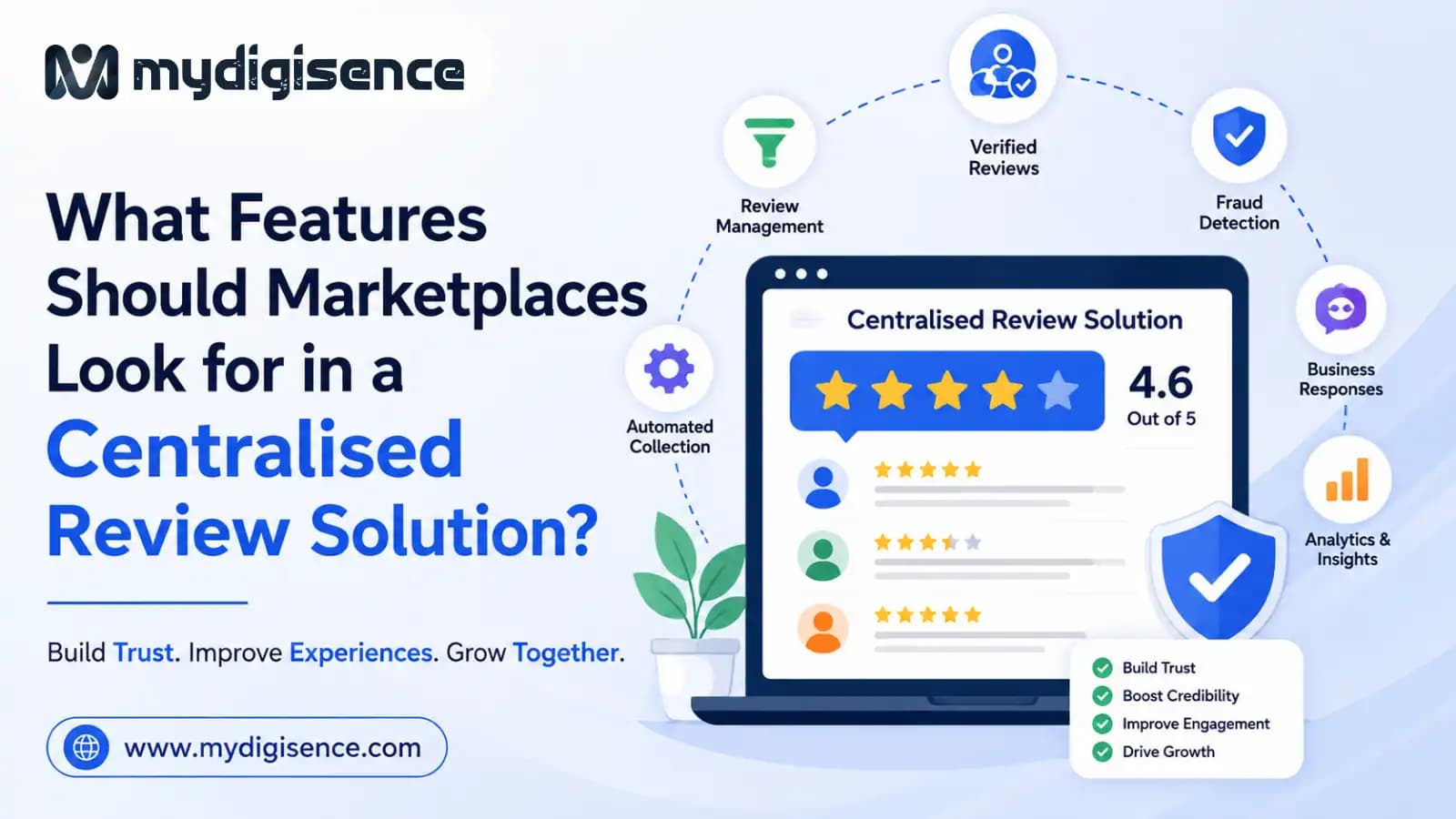
What Features Should Marketplaces Look for in a Centralised Review Solution?
A centralised review solution helps marketplaces collect, manage, verify, display, and analyze customer reviews from one place. For a B2B marketplace, the right solution should do more than simply display star ratings
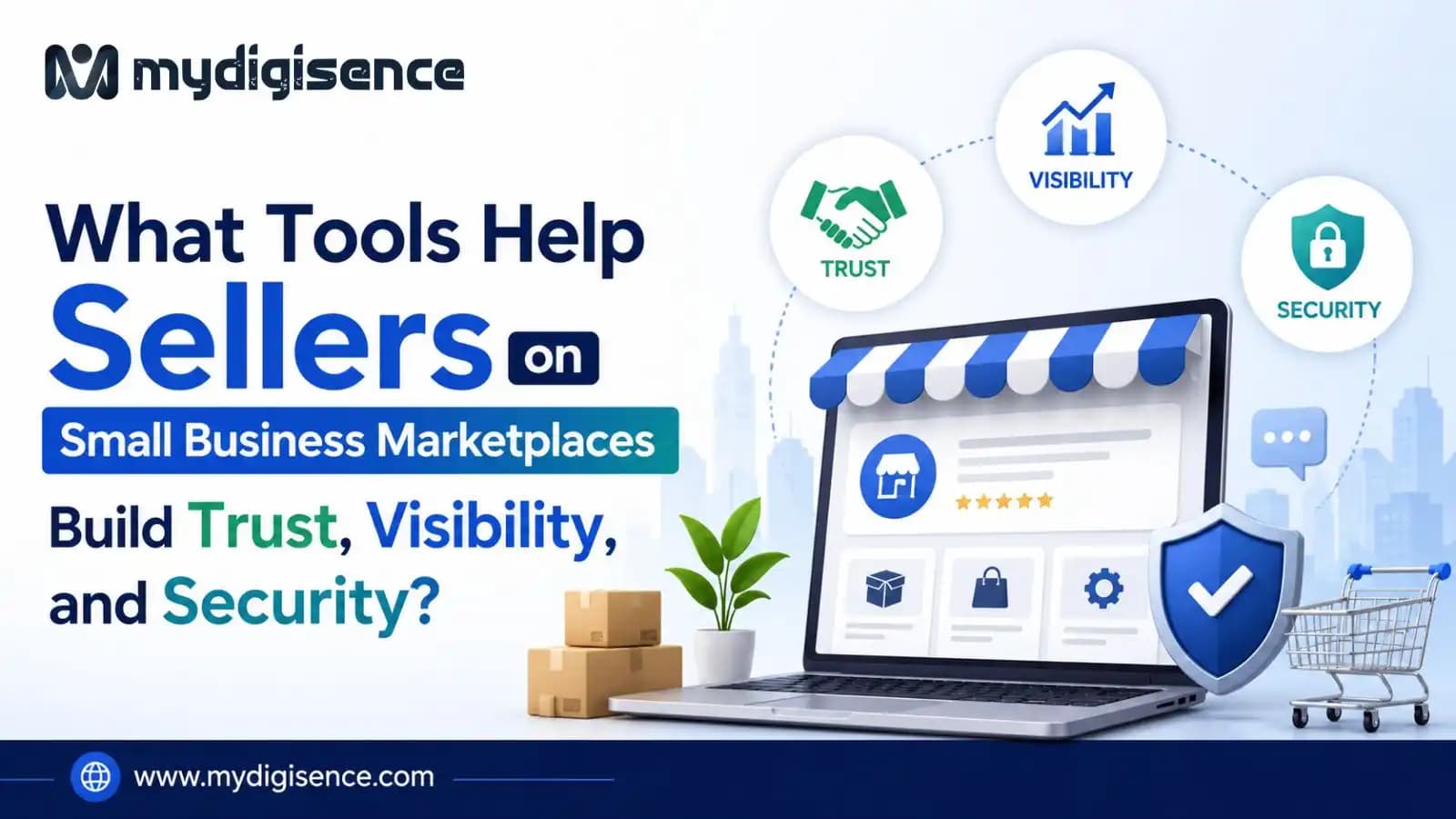
What Tools Help Sellers on Small Business Marketplaces Build Trust, Visibility, and Security?
Small business marketplaces give sellers an opportunity to reach new customers without building a large sales network. However, success depends on more than simply creating a business profile. Sellers need the right tools to build trust, improve online visibility, and keep their information secure.